A Team Of Korean Scientists Reversed Colon Cancer
-
FHIST NEWS -
May 24, 2026 at 9:48 AM -
- Health News
-
97 Views -
0 Replies
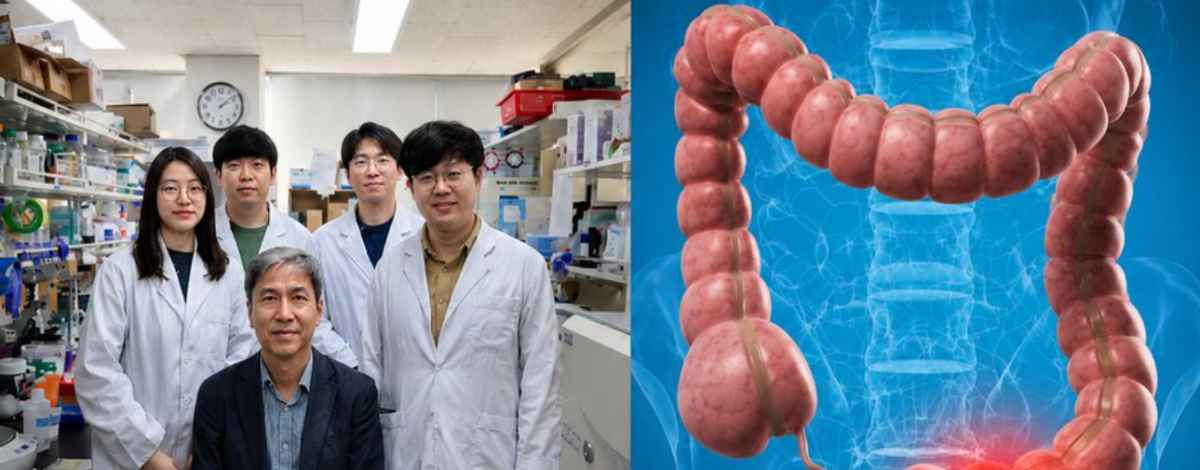
A Team Of Korean Scientists Reversed Colon Cancer
A team of Korean scientists at KAIST just pulled off something that sounds like science fiction.
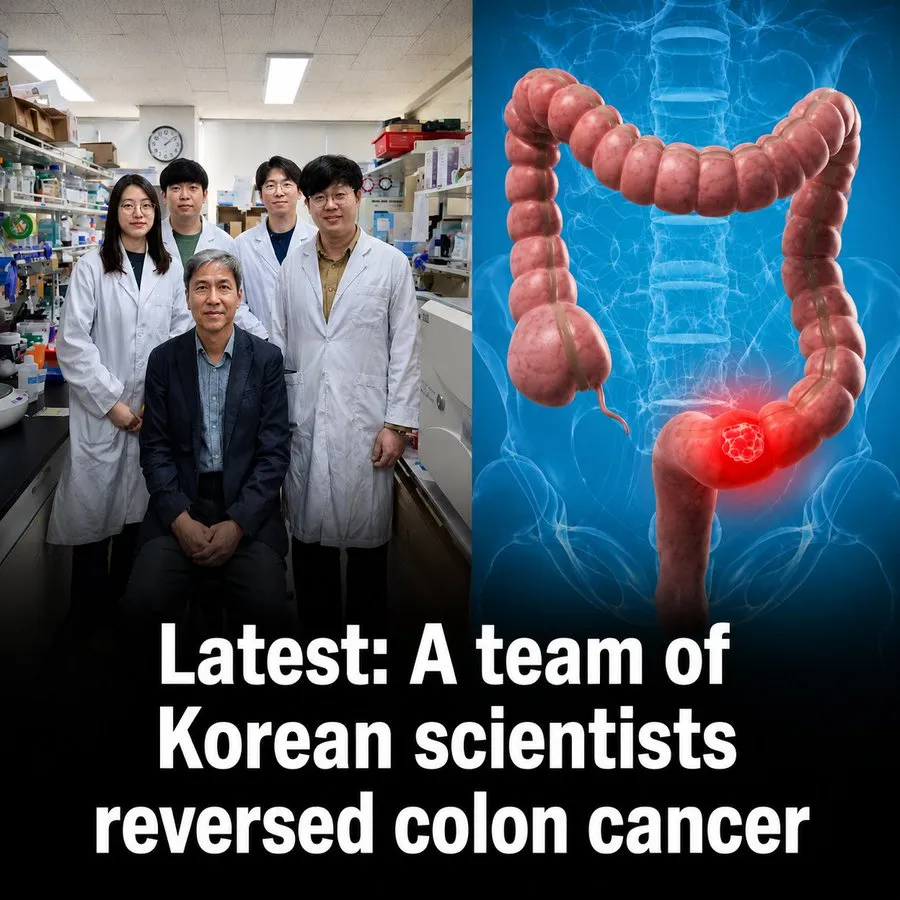
They didn't kill the cancer. They told it to go home.
Instead of nuking colon cancer cells with chemo or radiation, they convinced them to turn back into normal, healthy colon cells. No killing. No collateral damage. Just a quiet U-turn at the cellular level.
Here's how it works. Led by Professor Kwang-Hyun Cho at the Department of Bio and Brain Engineering, the team built a "digital twin" of the gene network that controls how a normal cell becomes cancerous.
The researchers used single-cell data, network control theory, and an algorithm inspired by electrical circuit logic to identify key control points in colorectal cancer cells. By silencing MYB, HDAC2, and FOXA2 together, they pushed aggressive cancer cell lines toward a more normal, differentiated state. This is not a cancer cure, and it is still far from human treatment. But it is a powerful proof of concept: cancer may sometimes be less like a broken machine and more like a cell trapped in the wrong identity.
They ran simulations. They hunted for the exact moment a healthy cell flips into a malignant one. Then they found the switches. Three master regulator genes — MYB, HDAC2, and FOXA2 — were the keys to the whole transformation. Flip those switches back, and the cancer cell stops behaving like a cancer cell. It starts looking and acting like a normal enterocyte, the kind of cell that lines a healthy intestine.
No gene editing. No permanent rewiring. Just the body's own natural signals, used in reverse. The team confirmed it in molecular experiments, cellular experiments, and animal studies. The malignant cells stopped multiplying out of control and went back to doing their actual job.
The research has already been handed off to a company called BioRevert Inc. to develop into real-world treatments.
This isn't a cure tomorrow. But it rewrites the entire playbook for how we think about cancer.
You don't always have to destroy the enemy.
Sometimes you just have to remind it who it used to be.
-END-
SOURCE: KAIST / Advanced Science (Gong et al., 2024) via ScienceDaily and OncoDaily