DENMARK SEEKS TO PASS A.I. LAWS THAT PROTECT YOUR IMAGE
-
Sapodilla -
February 22, 2026 at 7:01 PM -
- Legal and Court Matters
-
100 Views -
0 Replies
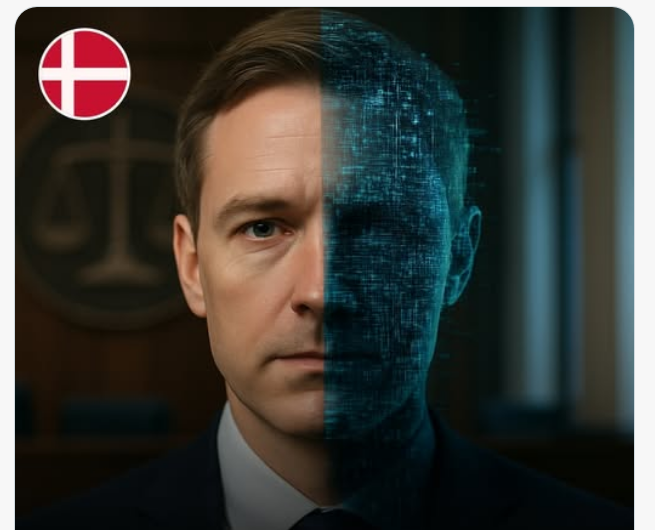
Denmark saying your face, voice and likeness belongs to YOU and AI companies can't use it without consent
This is the digital rights law the whole world needs. SA needs to follow this blueprint before deepfakes and AI manipulation become our next crisis
In a world where artificial intelligence can replicate a person’s voice or face in seconds, Denmark is stepping forward with a groundbreaking proposal: a copyright law that grants every citizen ownership of their own likeness. If passed, this law would mean no one — not even AI companies — could legally use your face, voice, or body data without consent. The move comes amid growing global concerns about deepfakes, where digital replicas of real people are used in scams, misinformation, and even political manipulation.
COMMENTS:
Denmark's proposed likeness rights law addresses real problem (deepfake proliferation, unauthorized voice cloning) but faces practical/legal challenges:
(1) enforcement—cross-border AI services (Midjourney, ElevenLabs) operate globally; Danish law has limited jurisdiction,
(2) fair use balance—parody, news reporting, historical documentation need exceptions or law chills speech,
(3) training data—does law prohibit scraping public images for model training? If so, conflicts with EU's text/data mining exceptions,
(4) proof of harm—copyright requires demonstrating economic damage; non-commercial deepfakes (memes) harder to litigate.
Existing frameworks: California's AB 2602 (deepfake porn law), EU AI Act (transparency requirements for synthetic media), GDPR (personal data protections) already provide partial coverage. Denmark's approach (IP rights model vs privacy/data protection) is novel but untested.
Effective deterrence requires: technical solutions (watermarking, provenance tracking), platform liability (require takedowns), international cooperation (treaties like Berne Convention).
Single-country law is symbolic without global coordination. Still, Denmark signals where regulation is heading—expect similar EU-wide proposals.
What are the stated consequences for malicious use without consent? What about accidental use without consent? What about coincidental "use" - where AI creates a face that just happens to look like a living person?
The hyperscalers that allow distribution of protected content will be fined or barred from the european markets The work is on them to stop it